Mineral · On the Gelagen panel
Zinc In Gelagen
The only mineral on this panel, and the nutrient with the strongest dermatological track record after vitamin A.
The Amount
2.7 mg per serving
A conservative amount, which is deliberate.
What that number is measured against
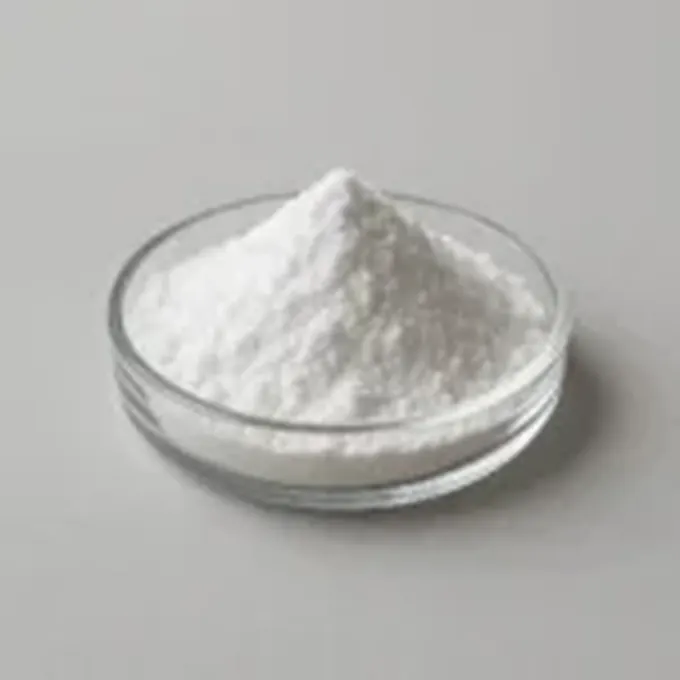
Two point seven milligrams is roughly a quarter of an adult day and it is deliberately conservative. Zinc is the entry on this panel where restraint is the responsible choice, because zinc and copper compete for the same intestinal transporter and sustained high zinc intake produces a copper deficiency. Single-nutrient tablets at fifty milligrams taken for months have caused exactly that, with anaemia and neurological signs. A modest amount inside a broad formula is how zinc should appear, and 2.7 mg is that.
What Zinc does inside a skin cell
Zinc is the only mineral on this panel and it does more distinct things than anything else here. Several hundred enzymes require a zinc atom at their active site. A whole structural family of gene-regulating proteins — zinc fingers — are named after it because they physically fold around a zinc ion in order to grip DNA. For skin specifically it matters in three places: wound healing, where zinc-dependent enzymes remodel tissue; immune function in the skin, which is why deficiency invites infection; and sebum regulation, which is why zinc keeps appearing in acne research.
What running short looks like
Zinc deficiency produces one of the most distinctive rashes in dermatology: sharply bordered, scaly, sometimes blistering patches around the mouth, the nostrils, the eyes and the nappy area, along with hair loss, diarrhoea and wounds that will not close. The inherited form, acrodermatitis enteropathica, was fatal in infancy until the cause was identified in the 1970s and treated with zinc, at which point the rash cleared. It is one of the cleanest cause-and-effect stories in nutritional dermatology.
Where the ceiling is
Forty milligrams a day for adults, and the reason is copper rather than zinc itself. Above it, competitive absorption starves you of copper over months, producing anaemia that does not respond to iron and, in some cases, irreversible neurological damage. Acute high doses cause nausea and vomiting long before any of that. The practical rule is simple: never stack a broad formula with a standalone zinc tablet without checking the total.
What to be careful about
Zinc reduces absorption of certain antibiotics, tetracyclines and quinolones in particular, so those should be separated by a couple of hours. It also interacts with penicillamine and with some diuretics. And the specific warning worth repeating: zinc lozenges taken through a cold can reach several times the daily requirement in an afternoon, so anybody who does that regularly should be aware they are already near the ceiling before any supplement is added.
Where food supplies it
Oysters are in a category of their own — a small serving carries many times a day's requirement. Then beef, lamb, pork, crab, pumpkin seeds, cashews, chickpeas, lentils and fortified cereals. One thing worth knowing about plant sources: they carry phytates, which bind zinc and reduce how much crosses your gut wall, so vegetarian requirements are meaningfully higher than the headline figure suggests.
If you remember one thing
The number is small on purpose. If you want more zinc than this panel supplies, the answer is oysters or a conversation with a clinician, not a second bottle.
The bottle wins. The serving is two gummies, and every nutrient with an established reference intake is declared on the supplement facts panel with a percent daily value beside it. Should any number on this page contradict the panel on your own bottle, the bottle is right and this page has fallen behind a reformulation. Nothing here is a diagnosis, a prescription, or a substitute for asking a clinician.
Zinc: Common Questions
About this nutrient specifically rather than the product.
Is 2.7 mg of zinc enough to do anything?
It is a supporting amount inside a broad formula rather than a therapeutic dose. The conservatism is deliberate because zinc competes with copper.
Does zinc help acne?
There is more dermatological research behind zinc and acne than behind most nutrients in this category. Studied doses are far higher than this, and higher doses bring the copper problem with them.
Can I take a zinc supplement as well?
Total them first. The adult upper limit is 40 mg a day and standalone tablets are commonly sold at 25 or 50 mg.
Does zinc interact with medication?
It reduces absorption of tetracycline and quinolone antibiotics, so those should be spaced a couple of hours apart.
The Ones It Works Beside
Your First Bottle Of Gelagen
Two gummies with breakfast, a page on this site for every amount printed on the panel, and two months to send the lot back if your skin disagrees.
- Two gummies daily, chewed rather than swallowed
- Thirteen nutrients, every amount printed on the bottle
- Free US delivery and six guides on the 3 and 6 bottle orders
- Sixty days to change your mind, opened bottles included