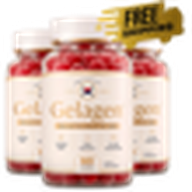
Cholecalciferol · On the Gelagen panel
Vitamin D In Gelagen
The nutrient most people in northern latitudes are genuinely short of, and the one your skin manufactures rather than absorbs.
The Amount
10 mcg per serving
Ten micrograms is 400 IU in the older unit.

What that number is measured against
Ten micrograms is 400 international units, and those two figures describe an identical quantity in two different notations — a genuinely confusing feature of this nutrient that catches people out constantly. Adult reference intakes sit around fifteen to twenty micrograms, so this serving is a meaningful fraction rather than a full day. The ceiling is a hundred micrograms, so ten leaves plenty of room even alongside a separate tablet.
What Vitamin D does inside a skin cell
Vitamin D is the odd one out on this panel twice over. It is not really a vitamin, since your skin manufactures it from cholesterol when ultraviolet B strikes it, and it behaves like a hormone once it does: converted first in the liver and then in the kidney into a molecule that binds receptors on DNA across dozens of tissues. In skin specifically it regulates how keratinocytes proliferate and differentiate, and it drives production of the antimicrobial peptides that make skin a barrier against organisms rather than only against water loss.
What running short looks like
This is the entry most readers of this page are genuinely likely to be short of, and the reason is geographic. Above roughly the latitude of Atlanta, sunlight from November to March is too weak at the necessary wavelength for skin to make any, whatever the weather looks like. Darker skin needs considerably longer exposure to make the same amount. Add indoor work, sunscreen and covering clothing and a shortfall becomes ordinary rather than exotic. It shows as bone pain, muscle weakness, low mood and frequent infections, and on skin it is associated with worse eczema and slower barrier repair.
Where the ceiling is
One hundred micrograms, or 4000 IU, per day for adults. It is fat soluble and stored, so excess accumulates rather than washing out, and genuine toxicity does exist — it raises blood calcium, producing nausea, weakness, kidney stones and eventually kidney damage. Reaching it requires sustained very high supplementation, not this panel. But it is one of the two entries here where adding a separate high-dose tablet warrants a moment's arithmetic.
What to be careful about
Anybody already prescribed vitamin D, or taking a weekly high-dose capsule, should total the two rather than assume. Sarcoidosis, some lymphomas and primary hyperparathyroidism all make people unusually sensitive to it, and thiazide diuretics raise calcium in the same direction. None of that argues against a modest amount in a broad formula; it argues for knowing what your combined intake is.
Where food supplies it
Very few foods carry it naturally, which is the whole problem. Oily fish leads by a distance — salmon, mackerel, sardines, herring — then egg yolks, liver and wild mushrooms that have seen daylight. Beyond that it is fortification: milk, some plant milks, breakfast cereals and margarine, all of which exist because diet alone was never designed to supply this one.
If you remember one thing
If you spend your days indoors or live somewhere with a real winter, this is the entry on the panel most likely to be doing something for you. It is also the one worth a blood test rather than a guess.
The bottle wins. The serving is two gummies, and every nutrient with an established reference intake is declared on the supplement facts panel with a percent daily value beside it. Should any number on this page contradict the panel on your own bottle, the bottle is right and this page has fallen behind a reformulation. Nothing here is a diagnosis, a prescription, or a substitute for asking a clinician.
Vitamin D: Common Questions
About this nutrient specifically rather than the product.
Is 10 mcg the same as 400 IU?
Yes, identical amounts in two notations. Micrograms is the modern unit and IU is the older one; a lot of confusion in this category comes from labels mixing them.
Am I likely to be deficient?
If you live north, work indoors, have darker skin or cover up, the odds are meaningfully higher than most people assume. A blood test settles it in a way a website cannot.
Does vitamin D help skin?
It regulates how skin cells mature and drives the antimicrobial peptides that defend the barrier. Deficiency is associated with worse eczema and slower repair.
Can I take a separate vitamin D tablet too?
Often yes, but total the two. The adult ceiling is 100 mcg a day and high-dose weekly capsules are common.
The Ones It Works Beside
Your First Bottle Of Gelagen
Two gummies with breakfast, a page on this site for every amount printed on the panel, and two months to send the lot back if your skin disagrees.
- Two gummies daily, chewed rather than swallowed
- Thirteen nutrients, every amount printed on the bottle
- Free US delivery and six guides on the 3 and 6 bottle orders
- Sixty days to change your mind, opened bottles included